How Online Shopping Changed Buying Habits Globally
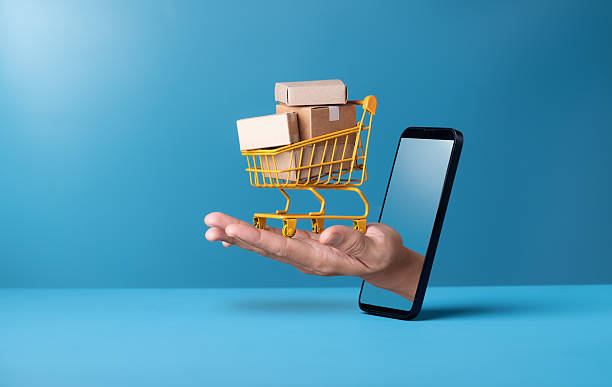
Online shopping has become one of the fastest growing industries worldwide. People now prefer buying products through websites and mobile applications because it saves effort, time, and transportation costs in daily life.
The growth of internet access and smartphone usage has made online shopping easier for consumers. Customers can now purchase products from local and international markets without leaving their homes or offices.
Many businesses shifted from physical stores to digital platforms after realizing the increasing popularity of e commerce. Small businesses also gained opportunities to sell products globally through online marketplaces and social media platforms.
The convenience of shopping twenty four hours a day has completely changed traditional buying methods. Consumers now compare prices, check reviews, and order products anytime according to their personal schedules and preferences.
Convenience Has Become the Main Priority
Modern consumers value convenience more than ever before. Online shopping allows people to avoid traffic, crowded shopping centers, and long waiting lines while purchasing products from comfortable environments.
Customers can easily browse thousands of products within minutes using search filters and recommendation systems. This quick process helps shoppers save valuable time compared to visiting multiple physical stores for shopping.
Online stores also provide home delivery services that improve customer experiences significantly. Consumers appreciate receiving products directly at their doorsteps without spending extra energy on transportation and carrying shopping bags.
Flexible payment methods further increase shopping convenience for customers worldwide. People can now pay through debit cards, digital wallets, bank transfers, and cash on delivery according to their personal preferences.
Social Media Has Influenced Buying Decisions
Social media platforms play a major role in changing consumer buying habits. Many people discover new products through influencers, advertisements, and brand promotions appearing regularly on social networking applications.
Consumers often trust product recommendations shared by content creators and influencers online. Positive reviews, tutorials, and product demonstrations encourage viewers to make purchasing decisions more quickly than traditional advertising methods.
Brands now use targeted marketing strategies to reach specific audiences based on interests and online activities. This personalized approach increases customer engagement and helps businesses improve their sales performance significantly across different markets.
Social media shopping features also allow users to purchase products directly from applications. Customers can complete shopping processes instantly after viewing products, reducing delays and increasing impulse buying behaviors among consumers worldwide.
Consumer Behavior Has Become More Research Based
Before making purchases, consumers now spend more time researching products online. They compare prices, read customer reviews, watch videos, and analyze product ratings before selecting the best available option.
Online reviews strongly influence purchasing decisions because customers trust real experiences shared by other buyers. Positive feedback increases confidence while negative comments often discourage people from purchasing certain products or services.
Price comparison websites have also changed shopping habits significantly. Consumers can instantly compare different brands and sellers to find better deals, discounts, and promotional offers that suit their budgets and expectations.
Detailed product descriptions and high quality images help buyers make informed decisions. Customers no longer rely only on sales representatives because digital information provides transparency and better understanding about product quality and features.
Fast Delivery Expectations Have Increased
The popularity of online shopping has increased customer expectations regarding delivery speed. Consumers now prefer businesses that provide same day, next day, or fast shipping services for purchased products and essential items.
Many companies invest heavily in logistics and delivery systems to satisfy growing customer demands. Fast and reliable shipping services have become important competitive advantages for online businesses operating in global markets.
Tracking systems also improve customer confidence during online purchases. Buyers appreciate receiving real time updates about shipping progress, estimated arrival times, and delivery confirmations directly through applications or messages.
Free shipping offers further encourage consumers to shop online more frequently. Many customers intentionally purchase additional products to qualify for free delivery benefits provided by online retailers and digital marketplaces.
Mobile Shopping Has Changed Purchasing Patterns
Mobile phones have transformed online shopping habits significantly in recent years. Consumers now use smartphones for browsing products, comparing prices, and completing purchases quickly from almost any location worldwide.
Shopping applications provide personalized experiences through notifications, discounts, and product recommendations. These features encourage repeat purchases and improve customer loyalty by offering convenience and tailored shopping experiences for users.
The increase in mobile payment systems has simplified online transactions greatly. Digital wallets and secure payment gateways allow consumers to complete purchases within seconds using fingerprint or facial recognition technology.
Young consumers especially prefer mobile shopping because it matches their fast paced lifestyles. Mobile commerce continues growing rapidly as businesses optimize websites and applications for better smartphone shopping experiences globally.
Online Shopping Has Expanded Global Markets
Consumers now have access to international brands and products through online platforms. People can purchase unique items from foreign countries that were previously unavailable in local physical stores or shopping centers.
Businesses also benefit from expanded customer reach through online selling opportunities. Small companies can now attract international buyers without opening physical branches in different countries or investing heavily in traditional retail expansion.
Global competition has improved product quality and pricing strategies. Companies continuously innovate and offer better services to attract online customers who can easily switch between sellers based on value and satisfaction.
Cross border shopping has also increased cultural exchange among consumers. People explore fashion, technology, beauty products, and lifestyle trends from different countries through online shopping platforms and digital advertisements.
The Future of Consumer Buying Habits
Technology will continue shaping future shopping behaviors worldwide. Artificial intelligence, virtual reality, and personalized shopping systems are expected to create more advanced and interactive online shopping experiences for consumers.
Many consumers now prefer hybrid shopping experiences combining online and offline services. Businesses are adapting by offering online ordering with in store pickup options to improve customer convenience and flexibility.
Environmental awareness is also influencing shopping habits gradually. Consumers increasingly support businesses that use eco friendly packaging, sustainable products, and responsible delivery practices while maintaining affordable pricing and quality standards.
Online shopping has permanently transformed global consumer behavior in many ways. Convenience, accessibility, technology, and digital innovation continue driving changes that shape how people purchase products and interact with businesses worldwide.

About Premium Author
This post has been authored and published by one of our premium contributors, who are experts in their fields. They bring high-quality, well-researched content that adds significant value to our platform.
Popular Categories
Stay Connected
Recent Posts